
Dig Deeper
FAQs
Mission & Impact
What problem is Edify helping to solve?
The problem, in a word, is poverty.
How does Edify help solve the problem?
Education is a proven pathway out of physical and spiritual poverty1. Education promotes employment, earnings, health, and poverty reduction. Globally, there is a nine percent increase in hourly earnings for every extra year of schooling2. Integrating a biblical worldview into school curricula can transform the minds and spirits of students, thus breaking spiritual poverty. In tandem with quality education, students grow up to be the world’s next thinkers, innovators, and leaders – breaking generations of physical poverty.
In our countries of operation, local entrepreneurs have started low-fee, independent (non-government-funded) schools. These schools are Christ-centered, bringing about transformation in students and, ultimately, their families and communities.
Edify offers these three key resources to school proprietors and leaders to build sustainability, grow their student base, and provide quality education:
- Training of school leaders and teachers to develop Christ-like character and run effective and sustainable schools
- Loan capital to expand and improve school facilities
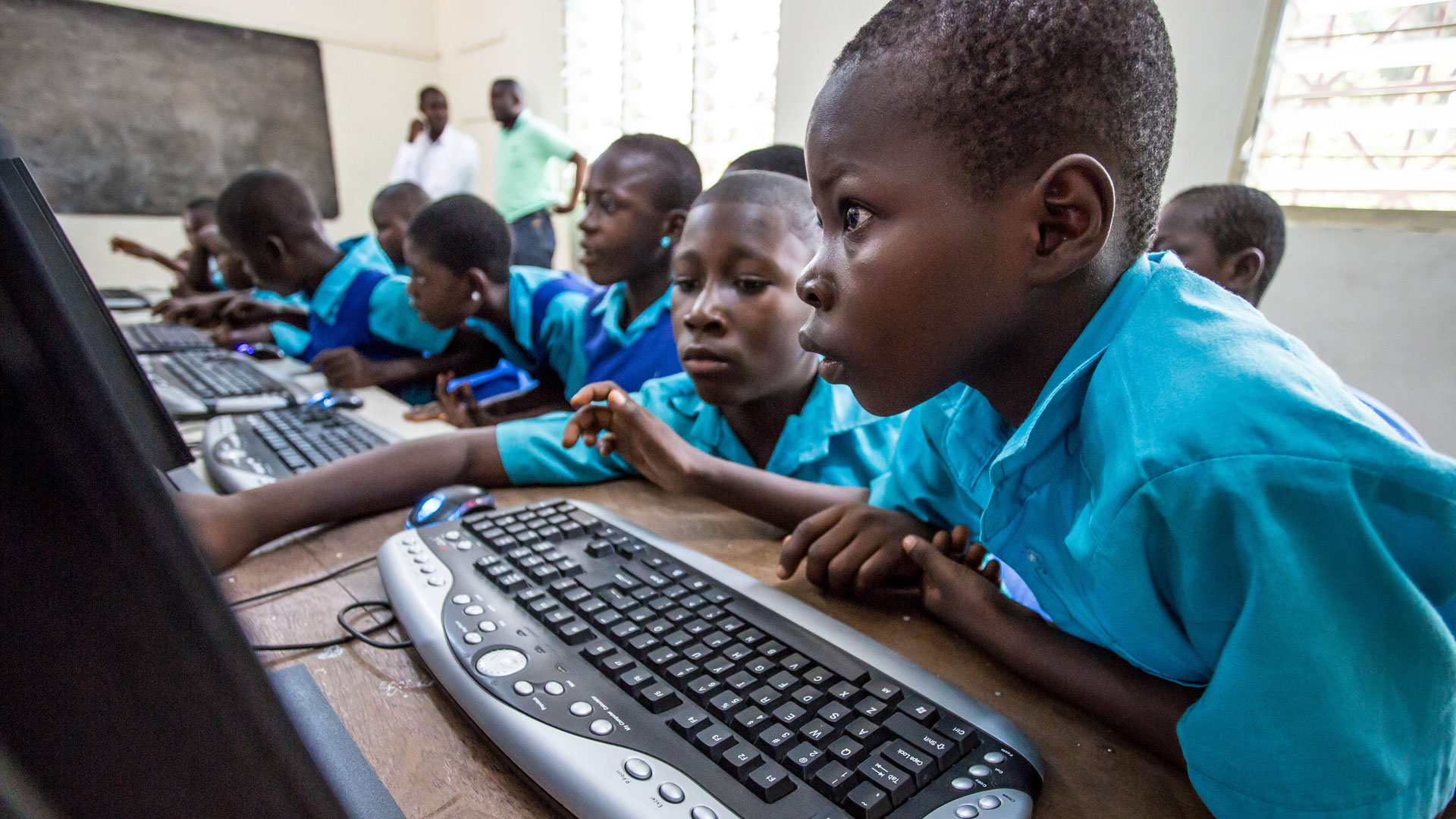
- Education technology solutions to improve student learning outcomes and employability
—————–
1UNICEF. 2022. “70% of 10-year-olds in ‘learning poverty’ unable to read and understand a simple text. https://www.unicef.org/press-releases/70-cent-10-year-olds-learning-poverty-unable-read-and-understand-simple-text.
2World Bank. 2024. “Education Overview.” https://www.worldbank.org/en/topic/education/overview.
Where does Edify serve?
We currently operate in 16 countries across Africa and Latin America.
Who is your client?
Our programs’ primary beneficiaries are the school proprietors and teachers we partner with and, ultimately, the students who attend their schools.
How do you measure impact?
Edify uses both quantitative and qualitative tools for the evaluation and impact assessment of our work with Christ-centered schools. We utilize Six Key Metrics to measure results. Learn more here.
Operations & Partnerships
Is Edify tied to a particular church or denomination?
No, Edify is not affiliated with a particular church or denomination. Edify is a registered 501(c)(3) nonprofit organization. You can read our statement of faith here.
How can I get involved?
There are a few ways that you can be involved, but first and foremost is through prayer. We are sincerely grateful for all who support and partner with us through prayer. For more ways to get involved, visit here.
How much of my donation goes directly to program costs?
Edify is committed to maximizing the impact of every donation. Over the past few years, we have averaged 80% of funds going directly to program. Want to see more financials? Get the full breakdown in our Annual Report. Further, Edify is a member of ECFA and holds the highest ratings for Charity Navigator, Candid, Excellence in Giving, and others.
Schools & Countries
Do you build schools?
No, we do not build schools. All of the schools we walk alongside are already existing. However, many schools partner with us through our local lending partners and choose to add additional classrooms and improve their infrastructure.
Do you run the schools that partner with Edify?
No, Edify does not run any schools. Instead, we partner with these locally owned and operated schools by providing access to training, loan capital, and education technology solutions to help them become sustainable and flourish.
What are Client, Core, and Champion Schools?
Client School: Any school that has interacted with Edify via a loan, training, education technology, conference, etc.
Core School: The Core Program is an intensive, 3-year program that includes a trailing 10% of active schools of all countries that have come out of pilot. These schools receive more interaction and involvement with Edify and are evaluated annually using surveys and other tools. Edify hopes to see accelerated change and long-lasting transformation in Core Schools.
Champion School: Model schools that have graduated from the Core Program, mentor other schools, and continue to go even deeper in their partnership with Edify.
Do you partner with schools in the United States?
No, we do not. We focus on under-resourced countries in Africa and Latin America, as we believe this is where God has led us at this time.
Logistically, how do you serve so many schools?
Our local staff meets with school proprietors and teachers, forming relationships over time. Our staff cover different regions in our countries of operation and are dedicated to visiting each school. In addition, we have helped develop School Owners Fellowships that are run by local proprietors to encourage community, shared learning, and time in the Word of God.
I support a school in X country. Can you help them?
If we have operations in that country, we can connect them with our staff to see if there are partnership opportunities. However, if we are not operating in that country, we can potentially provide resources but not immediate support.
What are Associate, Pilot, and Operational Countries?
Associate Country: A country in partnership with Edify focused only on training. Associate Countries do not have Edify staff members, but mostly work through local associations, and do not have access to loan capital or education technology programs. They do have access to trainings (online or in-person) through Edify’s local training partners and utilize the School Self-Assessment (SSA) to encourage and facilitate growth as well as long-lasting transformation.
Currently, Associate Countries are not listed on our website or included in our impact numbers.
Pilot Country: After Senior Leadership Team and Board approval, a newly launched country is considered a Pilot Country, or “in pilot,” meaning for 12 to 36 months, there is limited staff and budget allocated as Edify builds intentional partnerships with schools, financial institutions, and training partners to see proof of concept before committing for the long term and allocating additional funds.
Fully Operational Country: After a country has met the required levels and has received Senior Leadership Team and Board approval to come out of pilot, the country is considered fully operational. These countries are staffed and offer all three of Edify’s key resources: training, loan capital, and education technology, as well as the Core Program.